Skip to content
-
Subscribe to our newsletter & never miss our best posts. Subscribe Now!
Common Sense Investigations

News Science and Technology World News

Common Sense Investigations

News Science and Technology World News

  • News
  • Science
  • Space news
  • International Relations
  • Newsletter
  • News
  • Science
  • Space news
  • International Relations
  • Newsletter
Close

Search

  • https://www.facebook.com/
  • https://twitter.com/
  • https://t.me/
  • https://www.instagram.com/
  • https://youtube.com/
Subscribe
Space news

Curiosity Blog, Sols 5029-5035: Back in the Lab

By Hunt Fetch
05.10.2026 4 Min Read
0


Check out Novo! I use their free small business checking account and business tools. Apply today with my link for a welcome bonus if you open an account!


join Kalshi's growing trading platform get $25.


    • Mission Overview
    • Where is Curiosity?
    • Mission Updates
    • Overview
    • Instruments
    • Highlights
    • Exploration Goals
  • News and Features
    • Curiosity Raw Images
    • Images
    • Videos
    • Audio
    • Mosaics
    • More Resources
    • Mars Perseverance Rover
    • Mars Curiosity Rover
    • Mars Reconnaissance Orbiter
    • Mars Odyssey
    • More Mars Missions
  • Mars Home

2 min read

Curiosity Blog, Sols 5029-5035: Back in the Lab
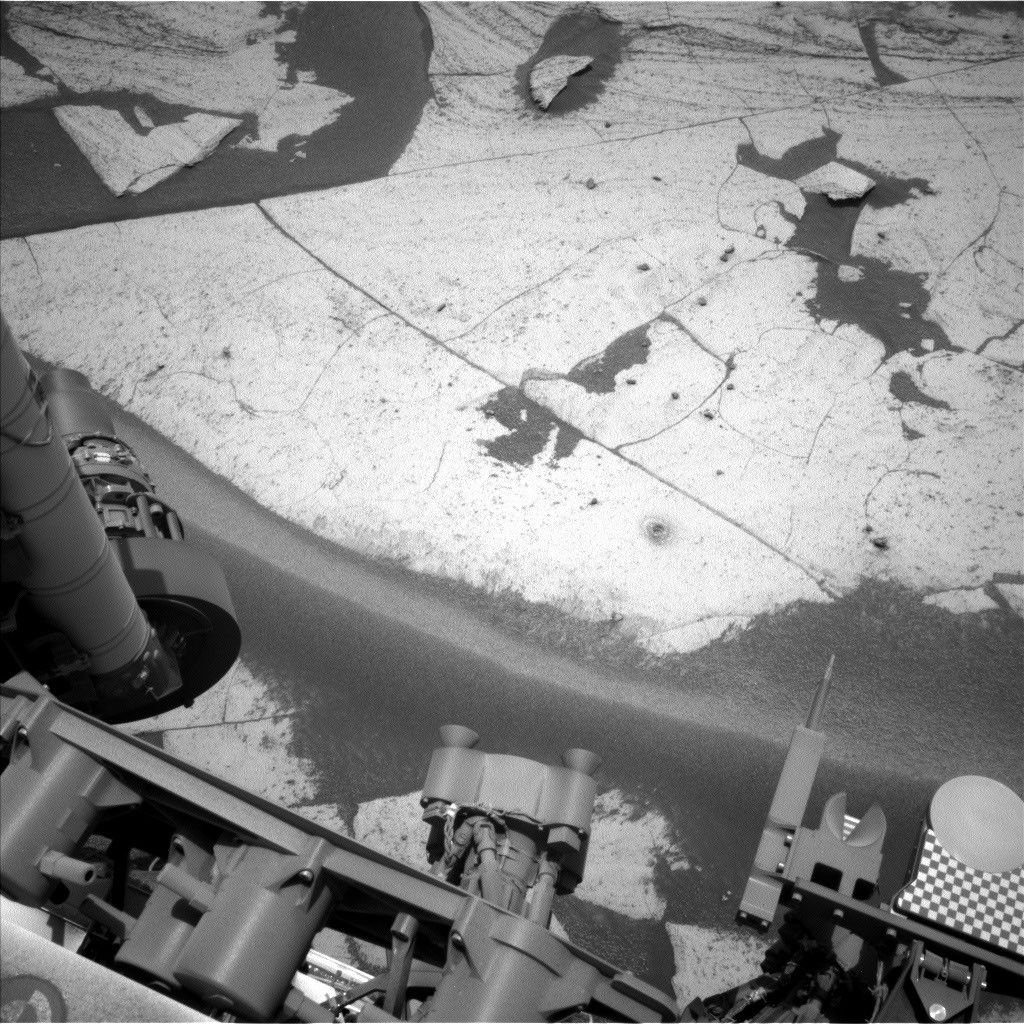
A black-and-white, downward-facing image from the Curiosity rover's Navigation Camera. Parts of the rover's metallic hardware frame the bottom and left edges of the image, including cylindrical mechanisms, structural joints, and a small checkered calibration target on the lower right. The rover casts a long, distinct diagonal shadow across the Martian surface below. The terrain consists of flat, light-colored bedrock covered in a prominent network of intersecting cracks. Patches of darker sand or soil and small, loose rock fragments are scattered across the surface, and a single, small circular drill hole or contact mark is clearly visible in the smooth bedrock near the center-right.
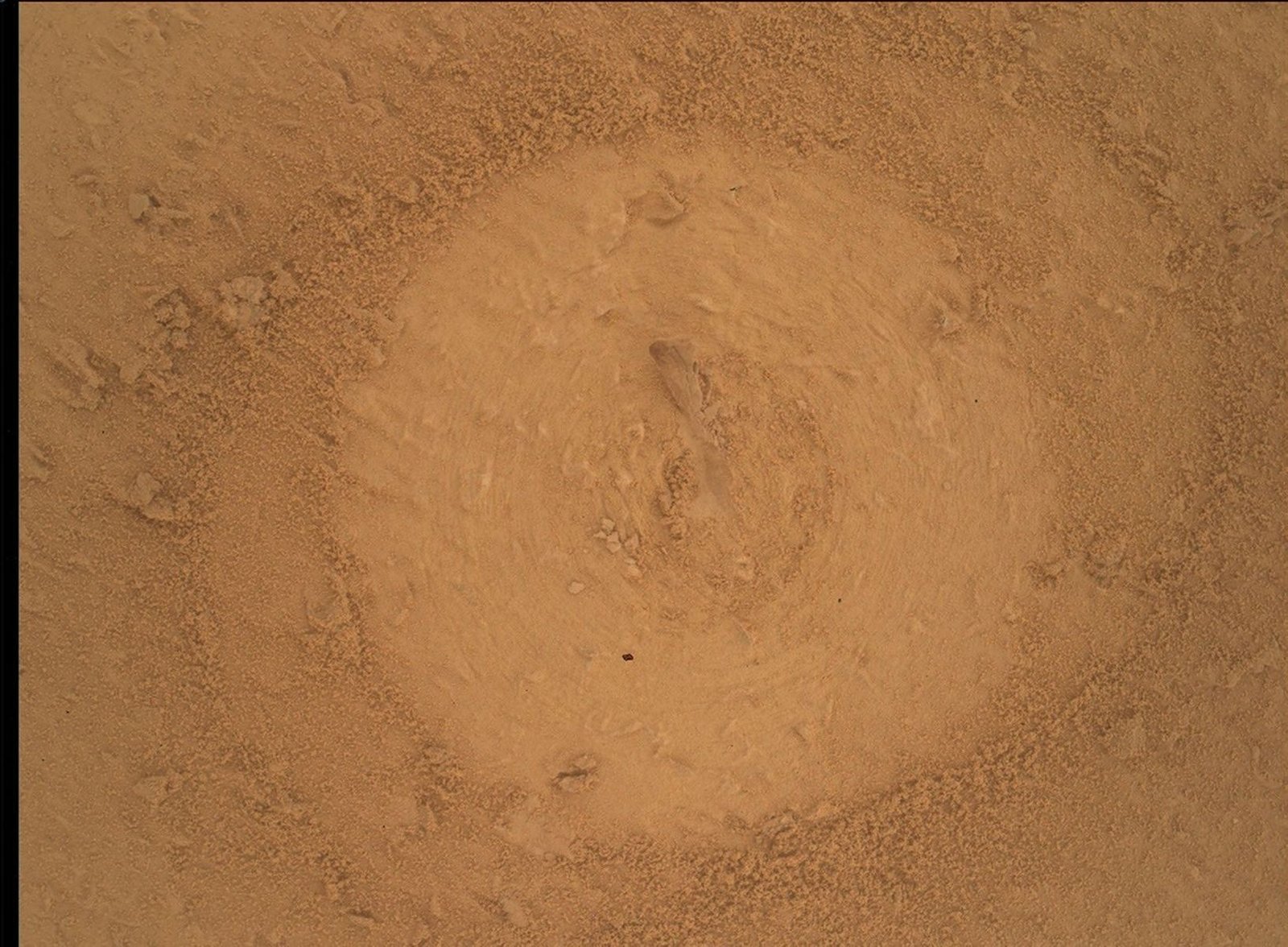
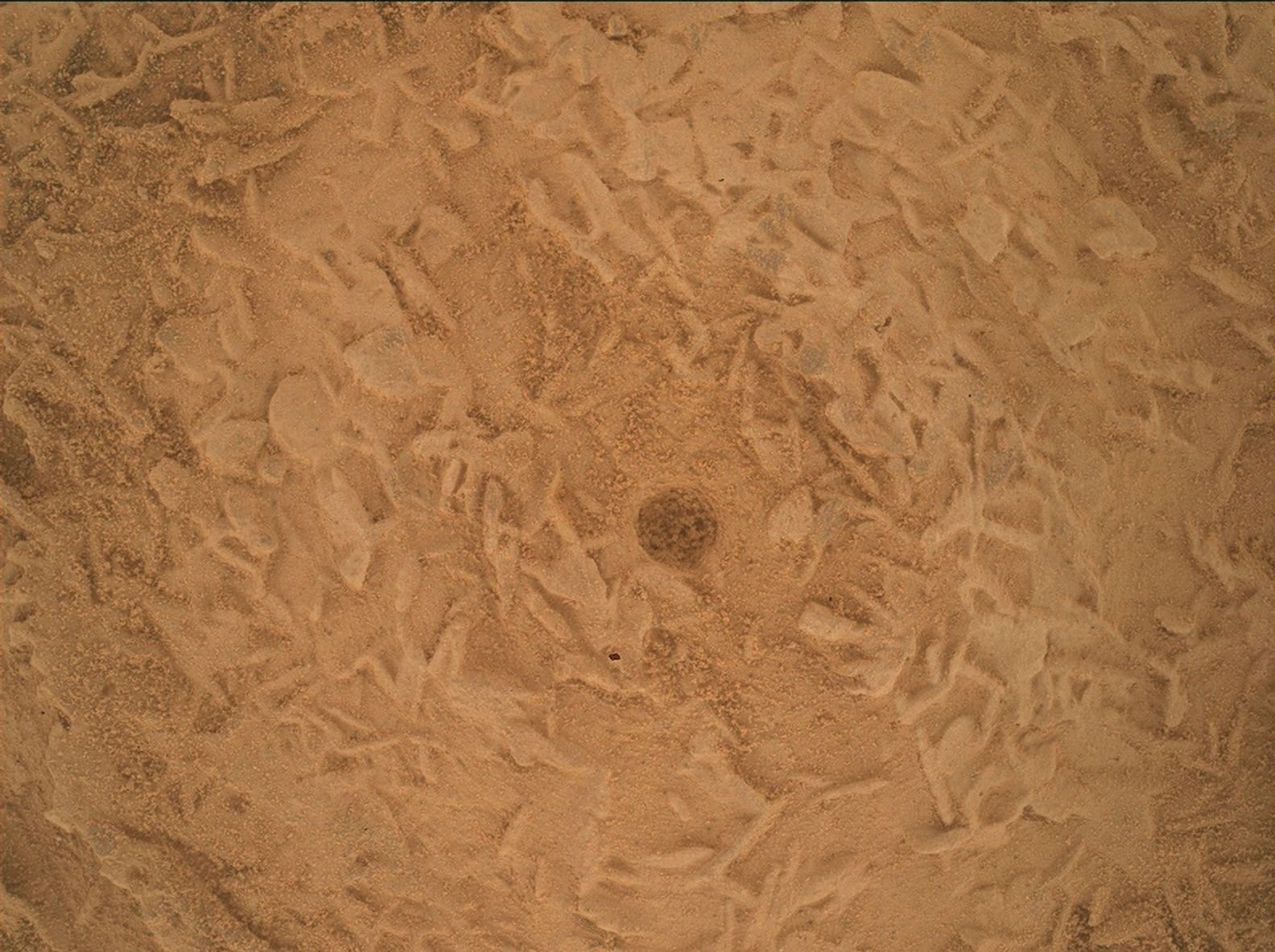
Image of the “Basque Lakes” drill hole and surrounding tailings (the small mound near the lower right corner of the workspace bedrock). NASA’s Mars rover Curiosity acquired this image using its Left Navigation Camera (Navcam) on Sept. 24, 2026 — Sol 5024, or Martian day 5,024 of the Mars Science Laboratory mission — at 05:46:29 UTC.
NASA/JPL-Caltech

Written by Michelle Minitti, MAHLI Deputy Principal Investigator

Earth planning date: Friday, Oct. 1, 2026

The majority of Curiosity plans involve mosaics from Mastcam and ChemCam, chemistry analyses from ChemCam and APXS, images from MAHLI and MARDI, and systematic measurements from REMS, RAD, and DAN. It is only when we stop to drill that we fully live up to our Mars Science Laboratory designation, using CheMin and SAM to analyze Martian rock. This was one such week, where our focus was wrapping up CheMin analysis of a sample from the “Basque Lakes” drill hole (pictured above), preparing SAM for its analysis, and analyzing the sample with the SAM tunable laser spectrometer (TLS). The CheMin data were key to SAM deciding to analyze the sample at all, and SAM will wait to receive the results from the TLS run (measurement of the volatiles present) to decide if they want to follow up with a separate mass spectrometry analysis next week. 

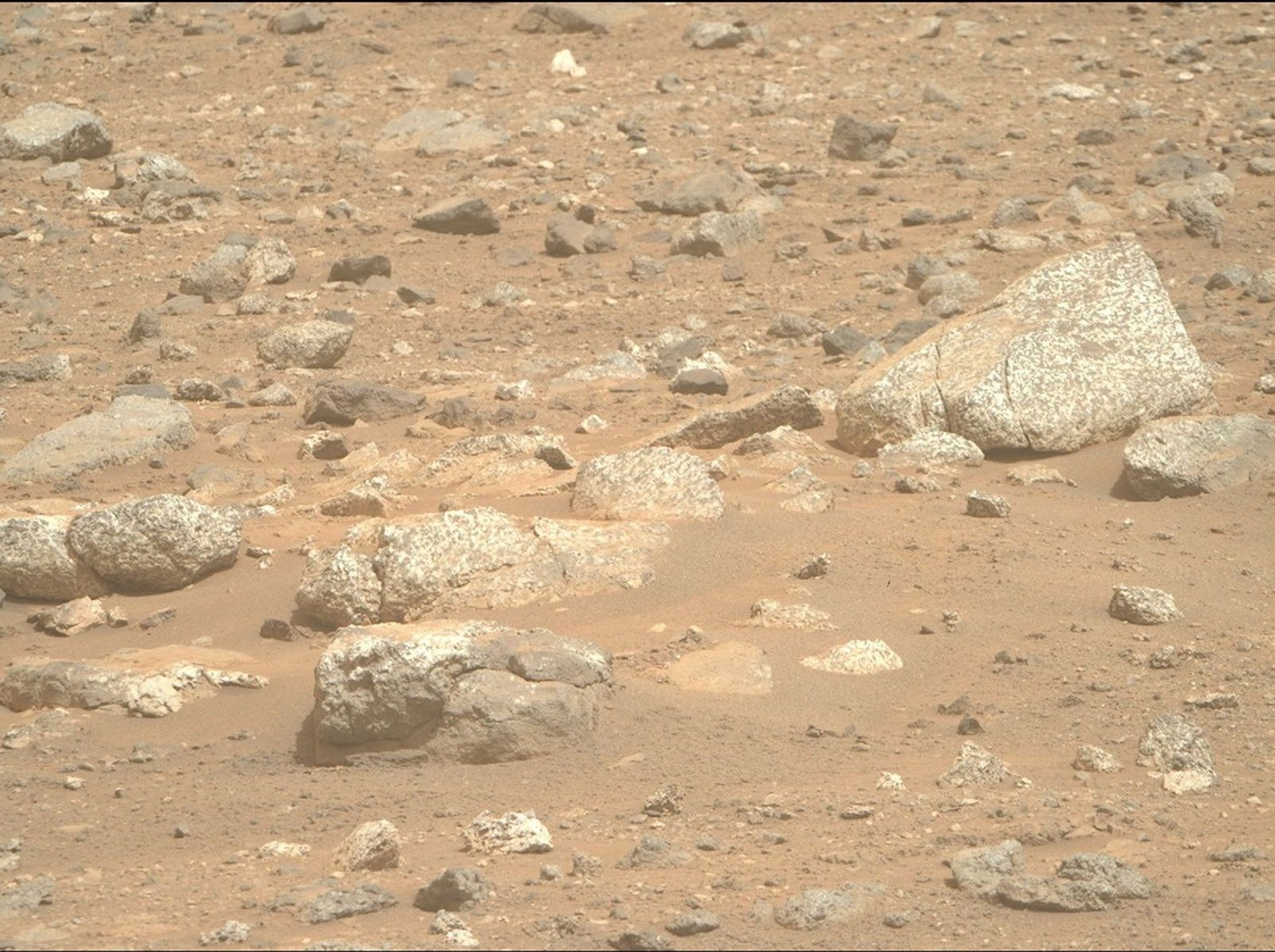
The laboratory activities require a significant portion of the daily power budget of the rover so the rest of the payload largely takes a back seat during drill campaigns, a worthy trade for CheMin and SAM’s valuable data. However, using the power that was available, we gathered data to contextualize our drill location and continued our systematic environmental monitoring. Mastcam acquired a 360-degree mosaic of our surroundings to build a full picture of the geologic setting of the sample. Its color and improved resolution relative to Navcam also guided subsequent science requests, such as more focused Mastcam imaging of structures near the workspace, and ChemCam RMI imaging of the “Cordillera” butte. Mastcam, coupled with Navcam, also planned a series of seven photometry observations spread across fixed times of day. These observations evaluate how the observed spectral characteristics of targets change as the Sun angle on them changes. They help us better interpret images from the rover and from cameras in orbit. ChemCam gathered more chemistry data from the variety of materials in the workspace, from the Basque Lakes drill hole interior, to sand ripples (“French Creek”) covering the bedrock, to loose gray clasts of unknown origin (“Wooley” and “Fireside”) sprinkled across the workspace. Our environmental monitoring activities included regular REMS, RAD, and DAN measurements and Navcam and Mastcam monitoring of dust loading in the atmosphere, cloud activity, and dust-devil activity.
  • Want to read more posts from the Curiosity team?


    Visit Mission Updates


  • Want to learn more about Curiosity’s science instruments?


    Visit the Science Instruments page


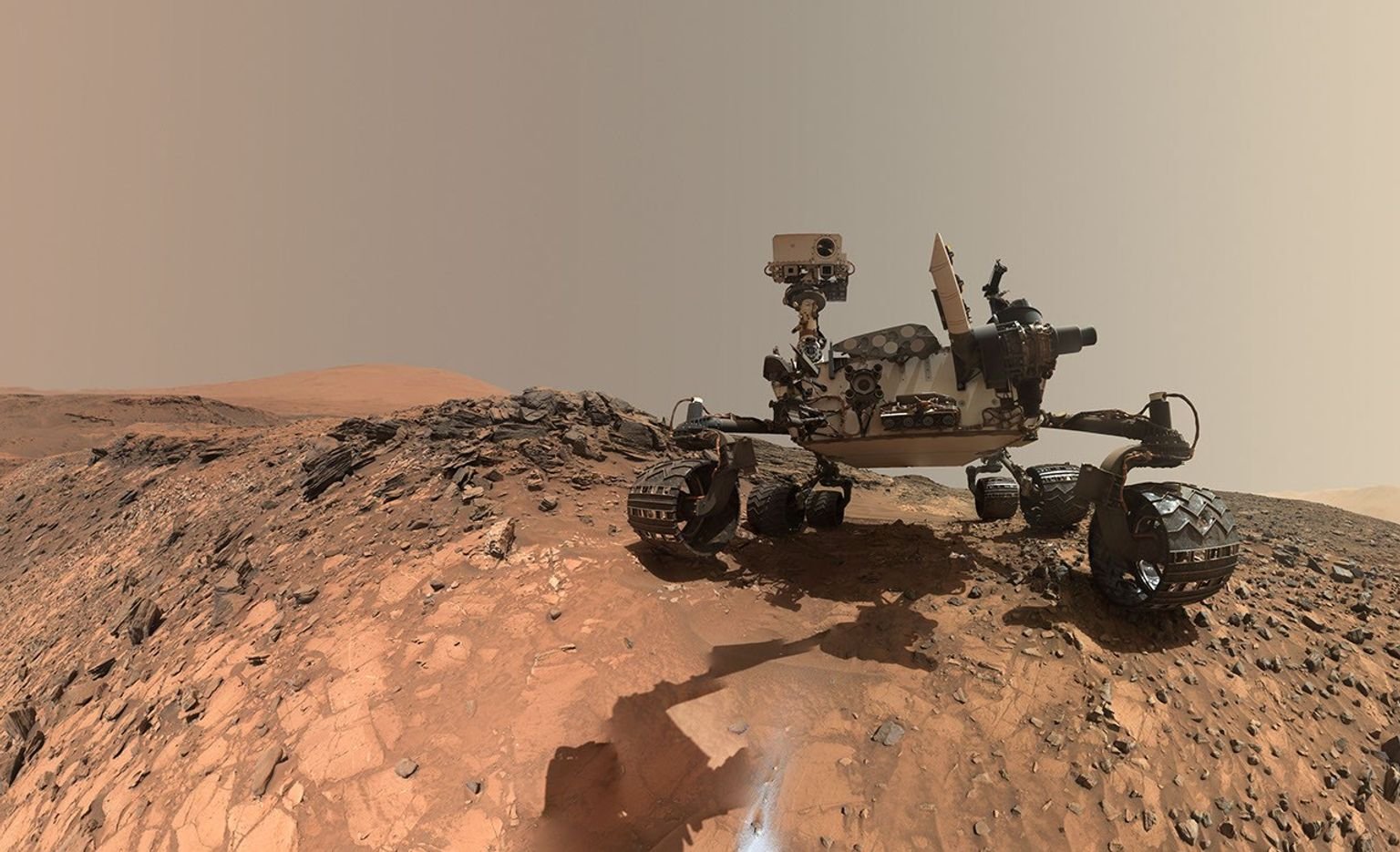
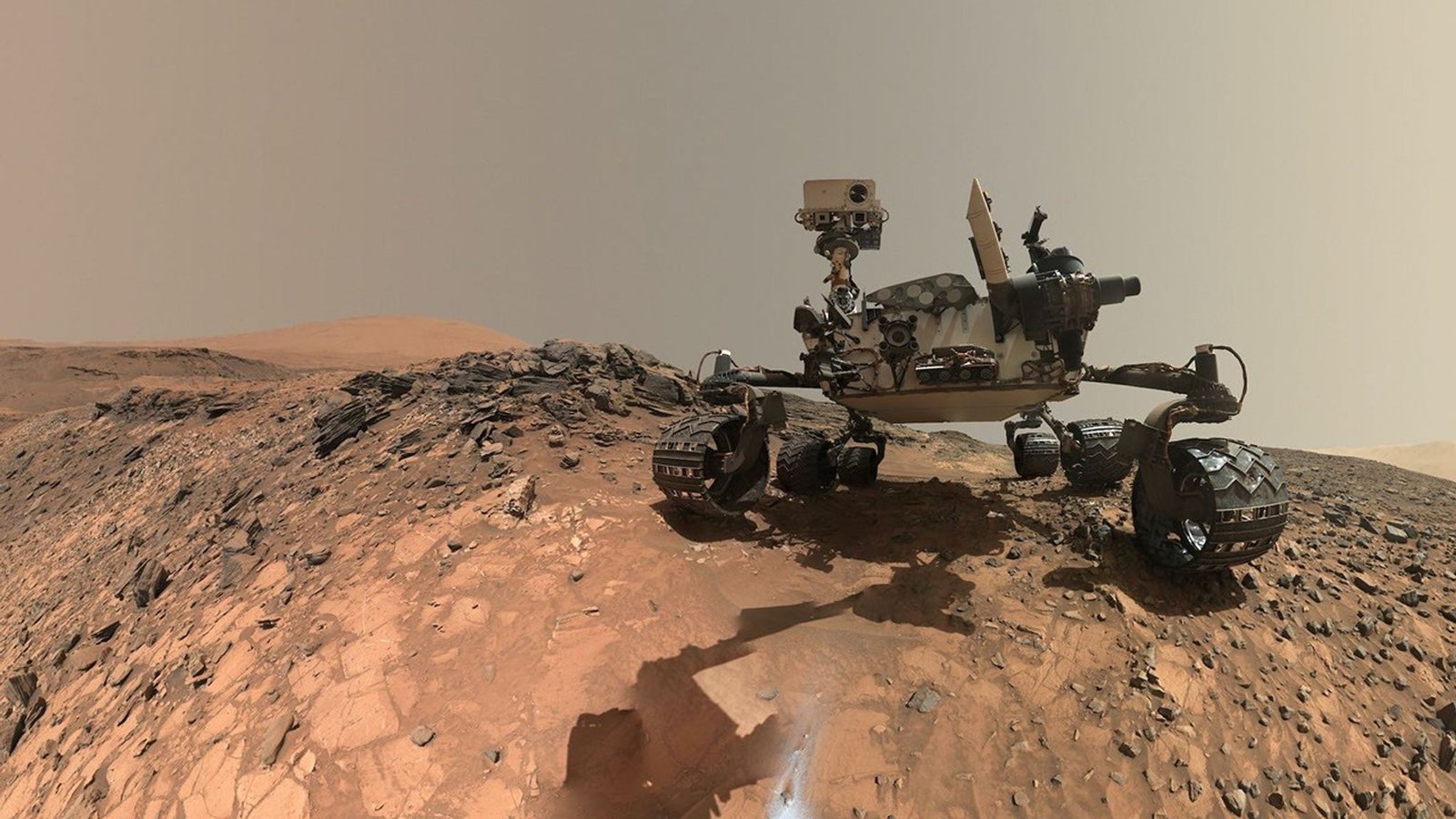
A rover sits on the hilly, orange Martian surface beneath a flat grey sky, surrounded by chunks of rock.
NASA’s Curiosity rover at the base of Mount Sharp
NASA/JPL-Caltech/MSSS

Share


Details

Last Updated

Oct 05, 2026

Related Terms

  • Blogs

Explore More

2 min read

A Journey to the Depths of Ancient Mars?


Article


51 minutes ago

3 min read

Curiosity Blog, Sols 5022-5028: Cashing in at Cache Creek


Article


1 day ago

3 min read

Curiosity Blog, Sols 5016–5021: Fantastic Minerals and How To Detect Them


Article


5 days ago

Keep Exploring

Discover More Topics From NASA

Mars

Mars is the fourth planet from the Sun, and the seventh largest. It’s the only planet we know of inhabited…


All Mars Resources

Explore this collection of Mars images, videos, resources, PDFs, and toolkits. Discover valuable content designed to inform, educate, and inspire,…


Rover Basics

Each robotic explorer sent to the Red Planet has its own unique capabilities driven by science. Many attributes of a…


Mars Exploration: Science Goals

The key to understanding the past, present or future potential for life on Mars can be found in NASA’s four…


Check out Novo! I use their free small business checking account and business tools. Apply today with my link for a welcome bonus if you open an account!


Tags:

360AaudiocamerasdataEarthhomeMissionsNasanewsscienceus
Author

Hunt Fetch

Midwestern man, working at making the world a nicer place.

Follow Me
Other Articles
Previous

A Journey to the Depths of Ancient Mars?

‘It could knock a whole street down’: the art of defusing a second world war bomb
Next

‘It could knock a whole street down’: the art of defusing a second world war bomb

No Comment! Be the first one.

Leave a Reply Cancel reply

You must be logged in to post a comment.

Recent Posts

  • Liverpool v Manchester City: Premier League – live
  • Wildwood review – Laika’s pleasingly old fashioned stop-motion magic-forest odyssey
  • Ten-man Southampton hold on to beat rivals Portsmouth in feisty derby
  • Scottish Premiership: Celtic end losing skid and take top spot back from Rangers
  • Campaign launched to safeguard site of first home of Scotland’s national football team

Recent Comments

No comments to show.

Archives

  • October 2026
  • September 2026
join Kalshi's growing trading platform get $25.


Check out Novo! I use their free small business checking account and business tools. Apply today with my link for a welcome bonus if you open an account!


Check out Novo! I use their free small business checking account and business tools. Apply today with my link for a welcome bonus if you open an account!


join Kalshi's growing trading platform get $25.

Copyright 2026 — Common Sense Investigations. All rights reserved. Blogsy WordPress Theme