Skip to content
-
Subscribe to our newsletter & never miss our best posts. Subscribe Now!
Common Sense Investigations

News Science and Technology World News

Common Sense Investigations

News Science and Technology World News

  • News
  • Science
  • Space news
  • International Relations
  • Newsletter
  • News
  • Science
  • Space news
  • International Relations
  • Newsletter
Close

Search

  • https://www.facebook.com/
  • https://twitter.com/
  • https://t.me/
  • https://www.instagram.com/
  • https://youtube.com/
Subscribe
AeronauticsArmstrong Flight Research CenterFlight InnovationResearch and Technology Mission DirectorateSpace news

NASA Armstrong Celebrates 80 Years of Flight Innovation

By Hunt Fetch
28.09.2026 3 Min Read
0


Check out Novo! I use their free small business checking account and business tools. Apply today with my link for a welcome bonus if you open an account!


join Kalshi's growing trading platform get $25.


On Sept. 30, 1946, five National Advisory Committee of Aeronautics (NACA) engineers arrived at Muroc Army Airfield in California’s high desert to achieve supersonic flight for the first time. In less than two years, NACA flew the X-1 aircraft faster than the speed of sound, marking an important milestone in aviation history.

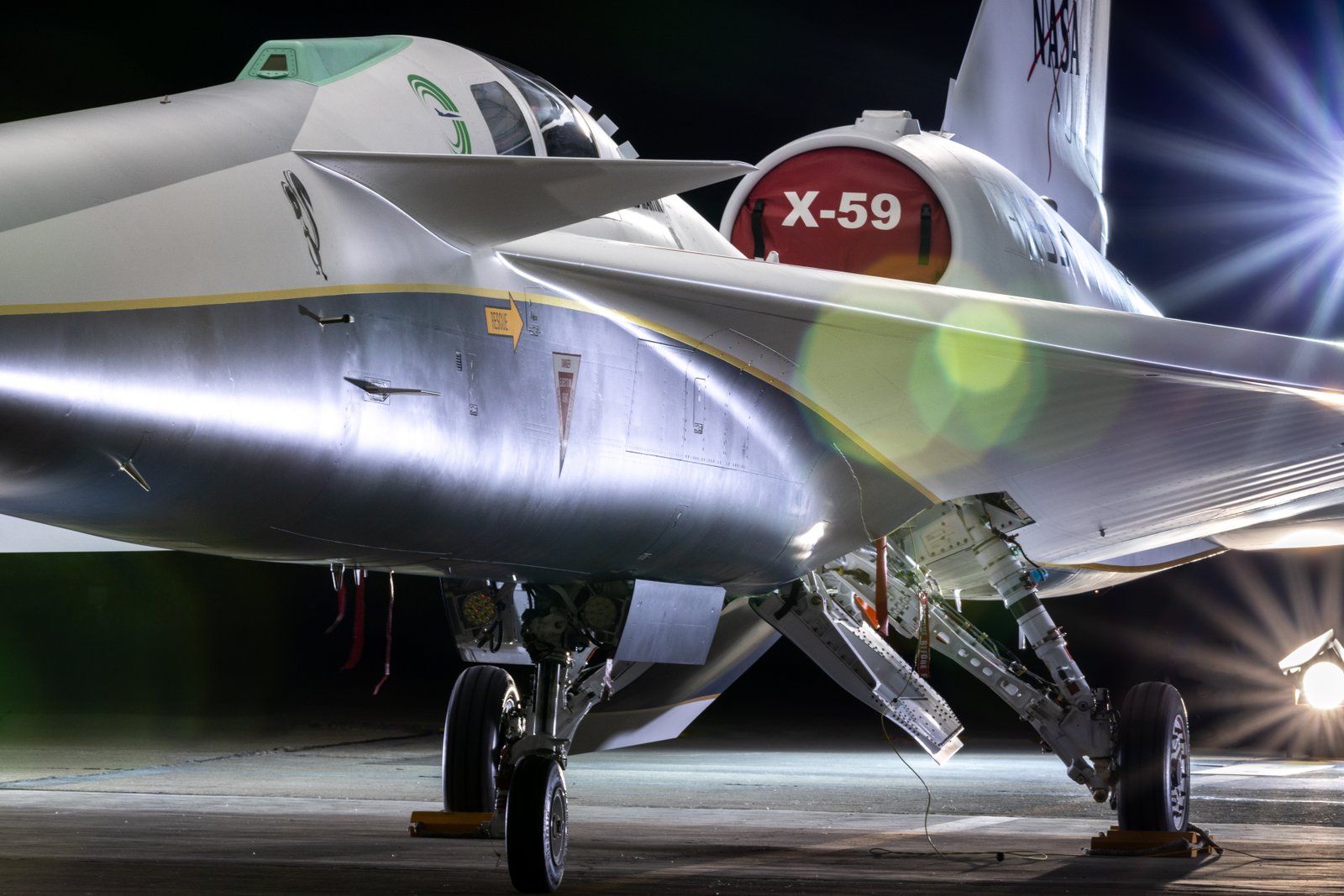
Fast forward 80 years, and that former NACA outpost is now NASA’s Armstrong Flight Research Center in Edwards, California, flying the X-59 supersonic X-plane in the same skies to demonstrate that supersonic flight doesn’t have to come with a boom.

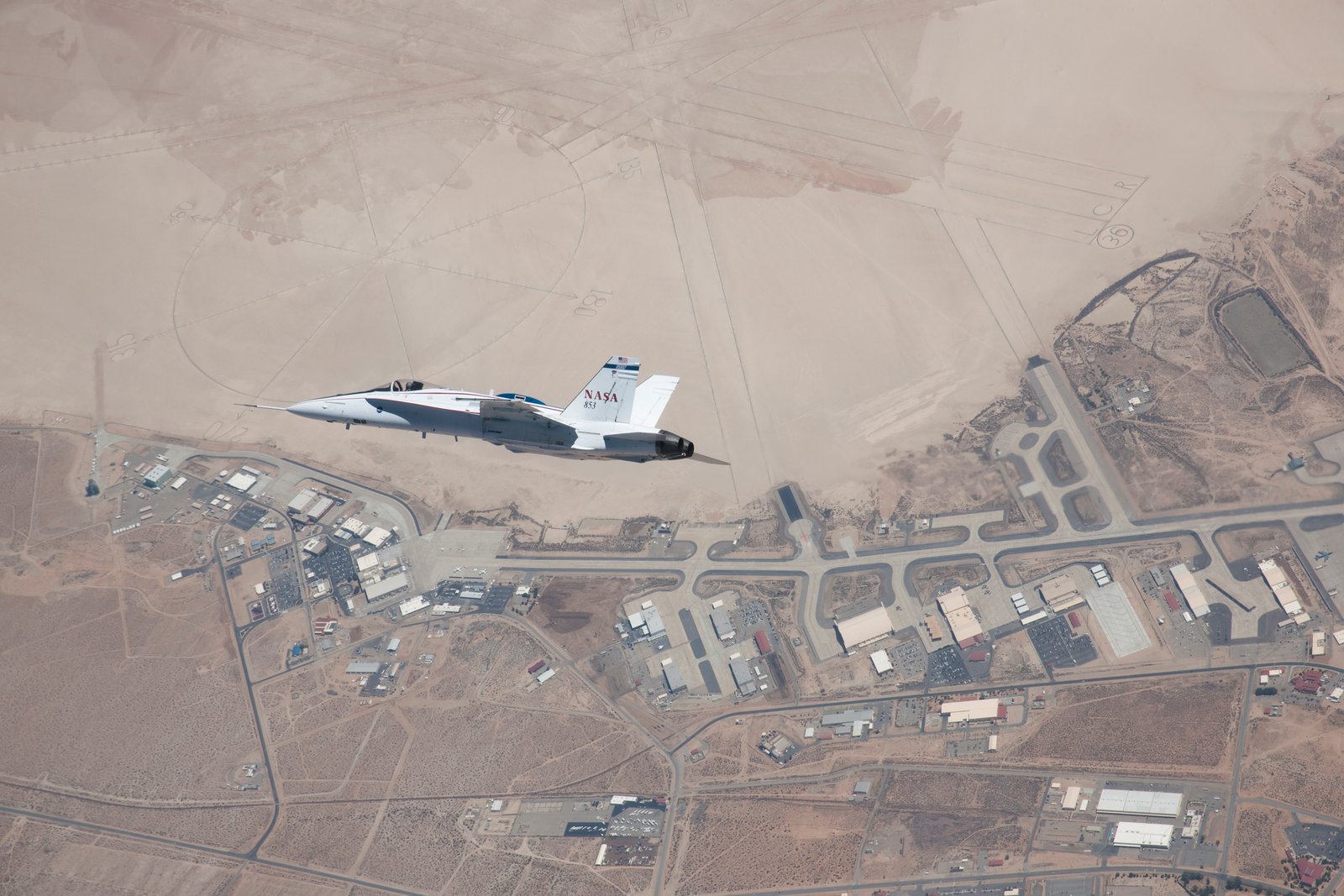
Over Armstrong’s 80-year history, the center has supported milestone missions ranging from space shuttle landings to SR-71 flights, shaping the evolution of science, aeronautics, and space research.

This Southern California NASA center is poised to lead the next era of aeronautics and human spaceflight, advancing technologies that will define the future of flight.

Fast facts

  • NASA Administrator Jared Isaacman recently named Armstrong as the agency’s Center of Excellence for Flight Test and Aircraft Operations, recognizing the center’s unmatched rigor in executing unique missions only NASA can fly.
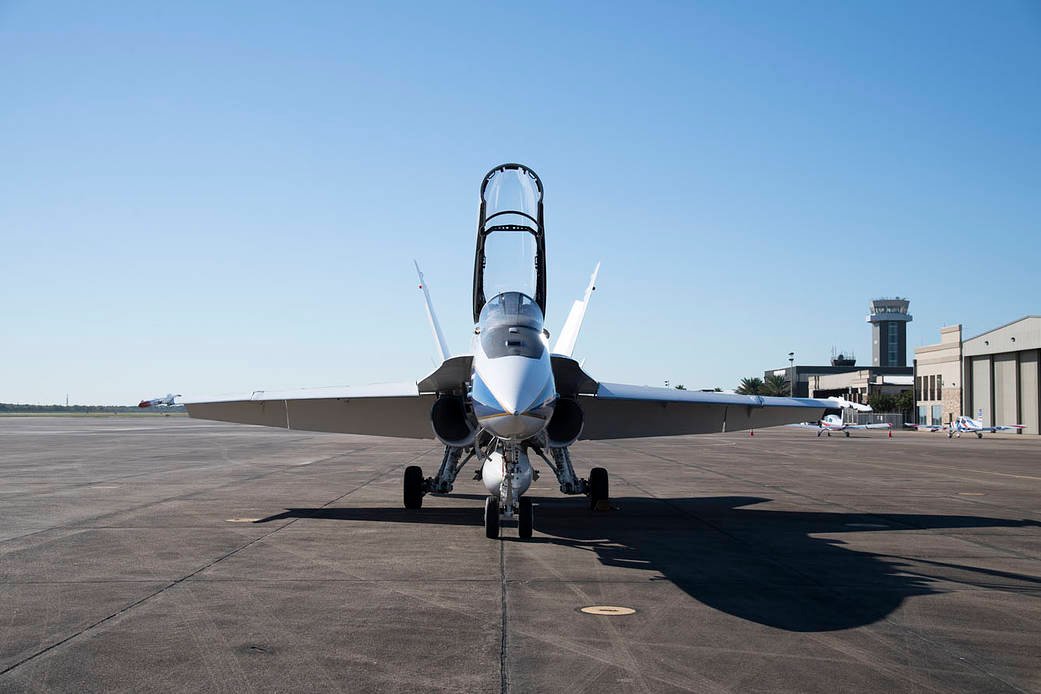
  • To support NASA’s Artemis missions and return to the Moon, Armstrong uses research aircraft such as a 737 for astronaut suit testing, the G-III for Artemis II heat-shield data collection, and an F/A-18 aircraft that tested the autopilot for the SLS (Space Launch System) rocket.
  • NASA’s aeronautics centerpiece, the X-59, is undergoing rigorous testing and a series of flights at Armstrong to prepare for upcoming quiet supersonic demonstrations over U.S. communities.
  • NASA Armstrong has transformed commercial and military aviation — from early supersonic flight research to digital fly-by-wire — and continues working with other government agencies, industry, and academia to make flying safer, more autonomous, and more efficient.
  • The center plays a vital role in global science by flying aircraft like the ER-2, C-20A, and Gulfstream G-III/IV/V to collect critical data on wildfires, glacier melt, pollution, minerals, and more.

Behind these achievements are the engineers, pilots, technicians, and mission support teams who continue to push the boundaries of what’s possible.

For more about NASA Armstrong, visit:

https://www.nasa.gov/armstrong

-end-

Dede Dinius / Teresa Whiting
Armstrong Flight Research Center, Edwards, California
661-276-3449
darin.l.dinius@nasa.gov / teresa.whiting@nasa.gov

Explore More
4 min read

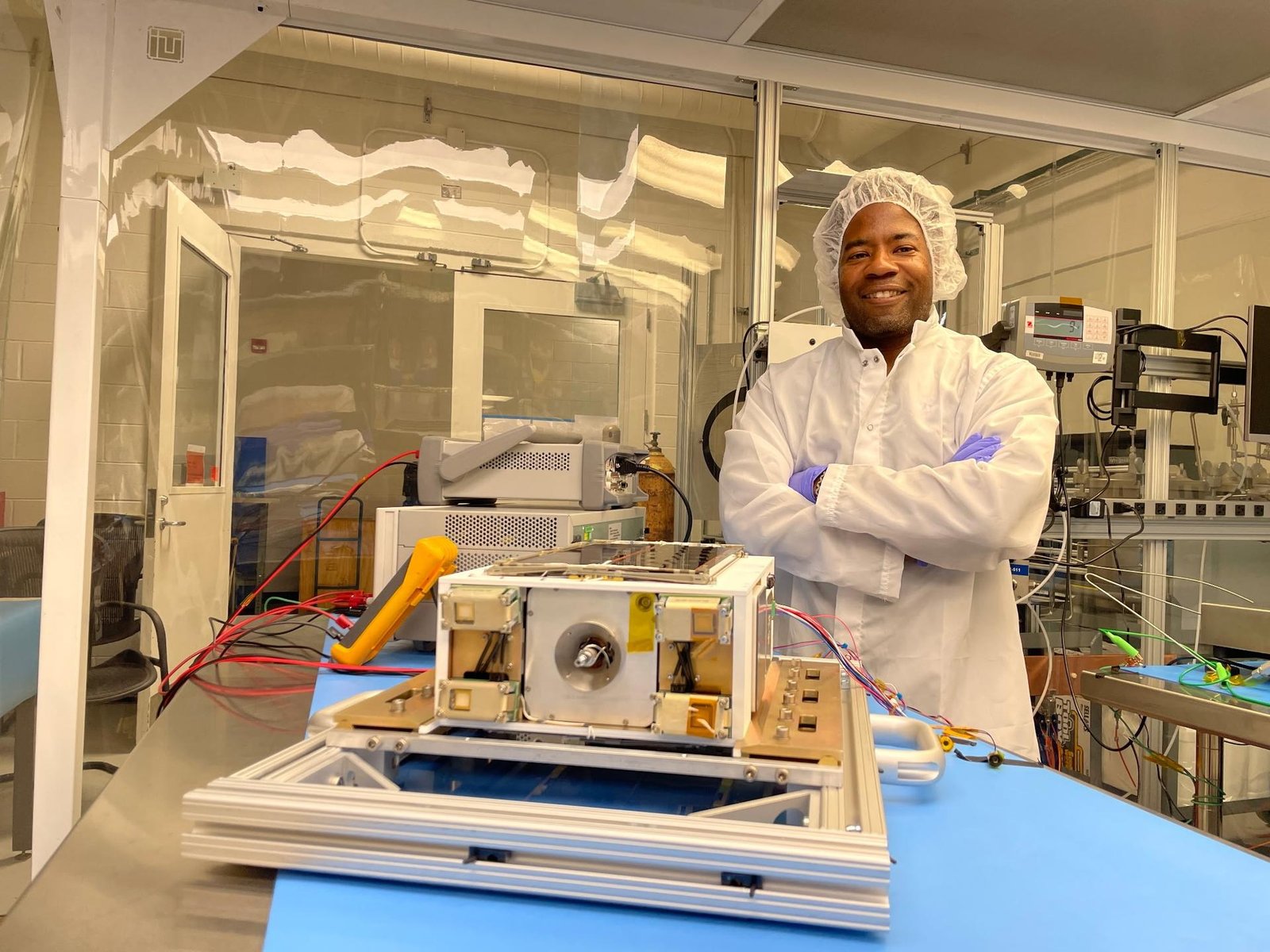
NASA Tests Dual Mode Propulsion CubeSat Ahead of Launch


Article


3 days ago

10 min read

2026-2027 DWU: Middle School Design Challenge


Article


3 days ago

9 min read

2026-2027 DWU: High School Engineering Challenge


Article


3 days ago

Keep Exploring

Discover More Topics From NASA

NASA Armstrong Flight Research Center


Aeronautics


Aircraft Flown at Armstrong


NASA History


Check out Novo! I use their free small business checking account and business tools. Apply today with my link for a welcome bonus if you open an account!


Tags:

AAeronauticsArtemisCaliforniadatagovernmentheatMissionsNasaPollutionResearchscienceshuttletestingWildfiresX
Author

Hunt Fetch

Midwestern man, working at making the world a nicer place.

Follow Me
Other Articles
Previous

NASA Highlights Lessons Learned From Swift Boost Mission

Next

NASA, Boeing Share Update on Commercial Starliner Development Plans

No Comment! Be the first one.

Leave a Reply Cancel reply

You must be logged in to post a comment.

Recent Posts

  • Data Center Chip Market to Surpass USD 1 Trillion by 2035 as AI Accelerators and Custom Silicon Transform Server Economics – DC Market Insights
  • International Defense Partner Extends Contract with Accrete for Argus for Cognitive Advantage
  • EV-Specific Tires Market to Reach USD 38.611 Billion by 2035 as Global BEV Sales, OEM Homologation and Faster Replacement Cycles Accelerate Demand, Reports Radial Insights
  • Burnham says ‘public will be the boss’ in any future decision about closer relationship with the EU – UK politics live
  • Fox Corporation Executives to Discuss First Quarter Fiscal 2027 Financial Results Via Webcast

Recent Comments

No comments to show.

Archives

  • October 2026
  • September 2026


Check out Novo! I use their free small business checking account and business tools. Apply today with my link for a welcome bonus if you open an account!


join Kalshi's growing trading platform get $25.


Check out Novo! I use their free small business checking account and business tools. Apply today with my link for a welcome bonus if you open an account!


join Kalshi's growing trading platform get $25.

Copyright 2026 — Common Sense Investigations. All rights reserved. Blogsy WordPress Theme